About us
We are a marketplace, not a container yard.
BuyContainers.now does not own stock. We source used shipping containers from a network of partner depots around the world, check them against a grade you can actually hold us to, and deliver them where you need them. That distinction shapes everything else on this page.
The model, stated plainly
Most container sellers fall into one of two camps. Either they are a depot selling what is standing in their own yard, or they are a broker who will find you something and would rather you did not ask too closely where it came from. We are the second kind, run like the first.
When you tell us what you need, we go to the partner depots in our network that hold that size and grade near your destination, and we come back with what is genuinely available. If the nearest suitable unit is four hundred kilometres away and that makes the landed cost worse than a unit from the next port over, we will tell you that rather than quietly quoting the more expensive one.
The practical consequences of not owning the stock are worth being explicit about:
- Availability is real, not aspirational. The units we quote are units a depot has confirmed. Anything we cannot confirm, we describe as sourceable rather than available.
- You are not limited to one yard. A single depot sells you what it has. A network sells you what you asked for.
- Stock moves. Depot inventory turns over constantly, so a unit quoted last month may be gone. This is why we quote per enquiry rather than publishing a price list.
- We are accountable for the match, not just the sale. If a unit arrives below the grade we quoted, that is our problem to resolve, not something to be argued out between you and a depot you have never spoken to.
How we vet a depot
A depot enters the network only after it can demonstrate the things that go wrong most often when they are missing. In practice we are checking four things.
1. Can they evidence the grade?
A depot that grades by feel is a depot that will send you a Wind & Water Tight unit and call it Cargo Worthy. We ask for recent, dated photographs of the actual unit — all four walls, the roof, the interior with the doors closed, the floor, and the CSC plate — plus a written condition note listing known defects. A depot unwilling to produce that set is not a depot we source from.
2. Is the paperwork clean?
Ownership on a used container is established by documentation, not possession. We confirm the depot can produce a clean release and the documents needed to transfer title, and for units intended for ocean use, a valid CSC safety approval plate with an in-date examination. More on what that plate means.
3. Can they actually load it?
A container you cannot get out of the yard is not a container you own in any useful sense. We check handling equipment, gate hours, and whether the depot will load onto the transport type your destination requires — a tilt-bed truck for a site delivery is a different conversation from a chassis to a port.
4. Do they behave the same way twice?
The first transaction with a depot tells you very little. We keep sourcing from partners whose second, fifth and twentieth units match their description as closely as the first one did, and we stop using the ones where that decays.
Why buying a used container is normally so opaque
This is not an accident, and it is not simply that sellers are dishonest. Four structural things make the used container market hard to see into.
The price genuinely is not one number. The same 40ft high cube has a different landed cost in Hamburg than in Karachi, because the cost is the unit plus the depot handling plus the transport leg plus whatever the local market is doing to container availability that month. Sellers who publish a single figure are either quoting the best case and adding the rest later, or quoting the worst case and losing the business. Both are a form of hiding.
Grade names are used loosely. Cargo Worthy and Wind & Water Tight are real, defined conditions, but nothing stops a seller from applying the label optimistically. Buyers rarely have a way to check before the unit is on a truck.
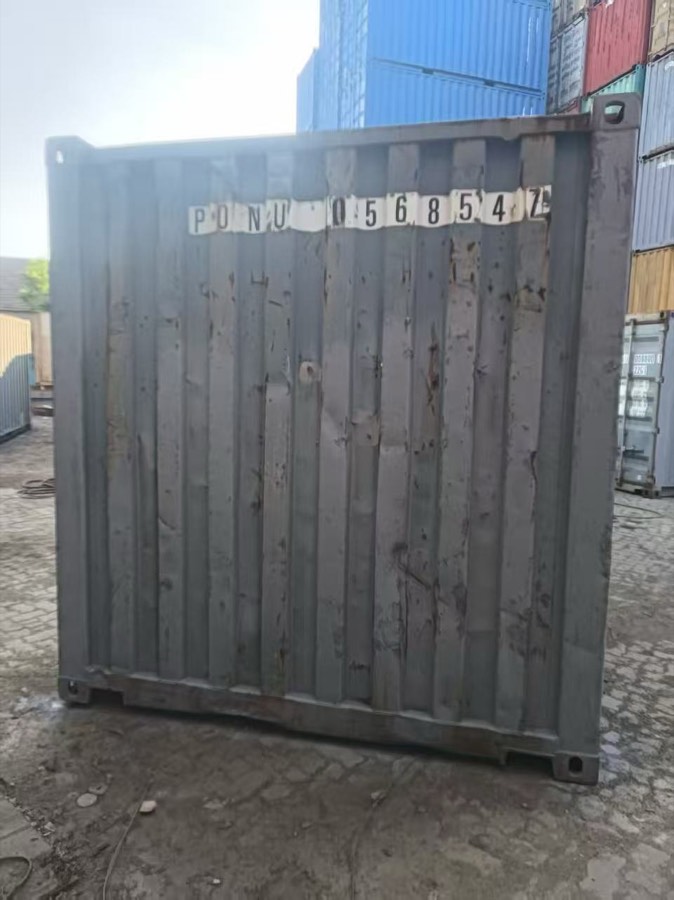
Photographs are often not of your unit. A stock photo of a clean container is a very different thing from four photographs of the one you are buying, taken this week.
The fees arrive late. Depot handling, lift-on lift-off charges, gate fees and transport surcharges have a habit of appearing after the deposit, when walking away is expensive.
What we do differently
- Quote-only, in writing. We do not publish prices, because a published price for a marketplace unit is a guess dressed up as a fact. You get a written quote that itemises the unit, the delivery leg and any depot handling. Nothing is added to it afterwards.
- Photographs of the actual unit. Before you commit, you see the specific container, photographed recently, plus its condition notes and known defects.
- Grades explained rather than asserted. We publish what each grade physically means, what it is suitable for, and what to watch out for — so you can hold the quote to a standard instead of a word.
- 50% deposit, 50% on delivery. The deposit reserves the unit at the depot. The balance is due when it arrives. You are never asked for the full amount against a container you have not seen arrive.
- We say no. If a grade will not survive your use case — an As-Is unit for a habitable conversion, say — we will tell you before you buy it, not after.
What we will not claim
We would rather be believed than impressive. So, for the avoidance of doubt: we are a young company. We do not have decades of trading history, an awards shelf, or a fleet of our own trucks, and you will not find any of those claimed anywhere on this site. What we have is a working network of partner depots, a grading standard we apply consistently, and a written quote you can hold us to.
If you want to test that, the cheapest way is to ask us for something specific and see what comes back.
Tell us what you need
Size, grade, destination and timeline is enough to start. We will come back with what is genuinely available.
Request a quote