First-Trip Logistics

Your container's first trip pays for itself

A new container leaves the factory empty, and shipping an empty box across the ocean costs almost as much as a full one. Your containers carry real export cargo already heading your way. On a first-trip arrangement, the cargo owner pays the ocean shipping, and the boxes arrive as your property after exactly one trip.

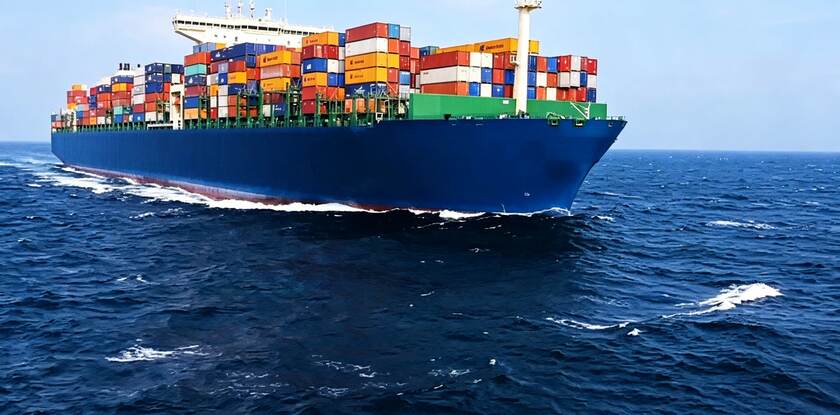
Loaded container vessel at sea on a first-trip voyage

What you pay, and what you don't

  • You pay: the container, and inland haulage from the discharge port to your site, itemized separately, nothing bundled.
  • You do not pay: ocean freight on an empty box, or a lessor's repositioning premium.
  • You own it outright: a shipper-owned container (SOC), yours to keep or resell.

Where first-trip units land

A first-trip container ends its one revenue voyage in a depot near the port where its cargo was discharged, and from there it is sold outright. That is what the European depot list shows: units that have already made the trip, priced per unit, port by port. See the European depot list →

When First-Trip Is the Answer

Three cases where it decides the purchase

Door Units & specialty builds

Door Units rarely appear in depot surplus, and local availability varies by market; a factory order is the reliable route for a defined batch. Why →

20FT units

Carriers rarely reposition 20-footers, so local stock is thin and priced accordingly. Factory production plus first-trip beats it. Why →

Branded fleets

Your color and logo are applied on the production line.

One thing to plan for: first-trip works on lanes with cargo flow toward your port. Into thin lanes, timing follows the cargo, the realistic window is stated in the quote, not after you sign.

Common Questions

First-trip logistics, in practice

Is my equipment at risk from carrying someone else's cargo?

The cargo is ordinary export freight booked and handled by a licensed forwarder, and carriage runs under standard bill of lading terms with the cargo interests insured on their side. The container is doing exactly the work it was built and certified for. You receive the unit documented before loading and it releases to you in one-trip condition, which means at most minor handling marks.

Who owns the containers during the voyage?

Ownership follows the contract milestones, not the voyage. The units are identified to you by serial number from production, they travel as shipper-owned equipment under the cargo booking, and they release to you at destination against the 30% balance payment.

What if there's no cargo going to my destination?

Some lanes are thin. In that case we quote the realistic option: routing to the nearest deep-sea port with steady cargo flow plus an inland leg, or a stated window while a booking on your lane comes together. The timing in your quotation reflects the lane as it actually is.

Can I just collect at the Chinese factory instead?

Yes. We can quote ex-works or FOB a Chinese port, and you arrange export and ocean freight yourself. For most buyers the first-trip route lands cheaper than paying freight on an empty box, but if you have your own bookings or a consolidation program, collecting at origin is a normal way to buy.